Recycling and Sustainability for Flat Clearance Bounds Green
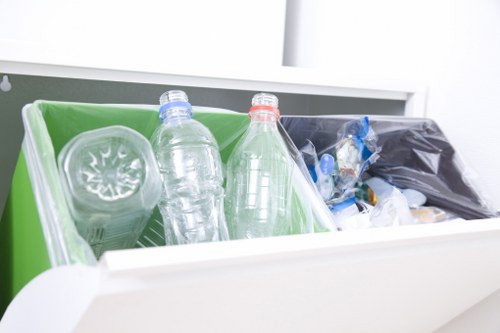 Flat Clearance Bounds Green is committed to delivering an eco-friendly waste disposal area approach that respects local systems and reduces carbon emissions. Our work in Bounds Green and the surrounding boroughs focuses on waste prevention, reuse and high-quality recycling rather than simple disposal. We recognise that an effective sustainable rubbish area strategy depends on clear segregation, strong partnerships and vehicles that minimise environmental impact. This page explains our targets, processes and community links that underpin an environmentally responsible flat clearance service.
Our recycling performance target is a core part of operations: we aim for a 65% recycling rate across all Flat Clearance Bounds Green projects by 2030, with interim milestones to reduce residual waste year on year. That target covers both household-style materials from cleared flats and commercial wastes recovered during clearances. The target is ambitious but achievable through consistent source segregation, enhanced reuse programmes and working closely with local transfer stations and material recovery facilities. We monitor, report and refine routes and sorting to meet these targets.
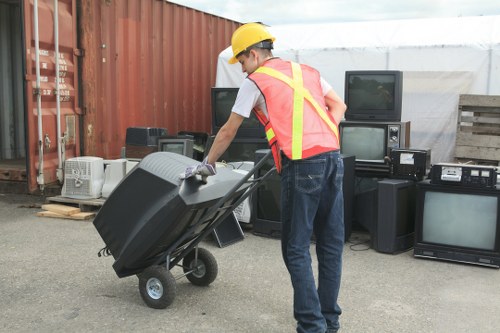 The way local boroughs approach waste separation informs how we operate on the ground. Many inner-London boroughs encourage separate streams for dry recyclables, glass, paper and card, food waste and garden waste; our team follows those rules when clearing a property. Key on-site actions include:
- Careful source separation of bulky items into recyclable, reusable and residual fractions
- Segregation of hazardous components (e.g., batteries, small electricals) for specialist processing
- Documentation of material flows to support borough reporting and audits
Local Transfer Stations and Responsible Processing
We rely on a network of local transfer stations and regional processing hubs to ensure that materials collected in Bounds Green and nearby neighbourhoods are handled responsibly. Where possible, sorted recyclables are delivered to borough transfer stations or authorised North London transfer hubs and material recovery facilities (MRFs) that accept segregated loads. These transfer sites enable efficient onward transport to specialist processors for glass, metals, paper, textiles and organics. By using established transfer stations we reduce double handling and improve the quality of recyclate delivered to reprocessors.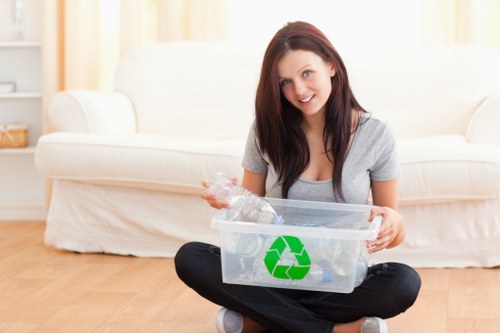
Partnerships with Charities and Reuse Organisations
Donating usable furniture, fixtures and household items is a central route to reducing landfill. We work with local charities, community reuse centres and social enterprises to redistribute items that are in good condition. That means sofas, tables, beds and working appliances are offered for reuse rather than recycled or thrown away. Our partnerships include a range of third-sector organisations and community groups who accept collected items for refurbishment, sale in charity shops or direct reuse programmes. Through these relationships we deliver social as well as environmental benefits, supporting circular economy principles in Bounds Green and surrounding boroughs.To strengthen the re-use chain we operate a robust triage process on every clearance: assess, clean/repair where feasible, and catalogue for donation. Items unsuitable for reuse but recyclable are processed separately to maintain high-quality recyclate streams. We track tonnenage diverted to charity partners and include that in our sustainability reporting to show tangible progress toward the recycling percentage target.
Low-carbon logistics and sustainable site practices are equally important. Our vehicle fleet prioritises electric and hybrid vans for jobs in Bounds Green where access and charging infrastructure allow, reducing local emissions and noise. For short-distance collections or tight urban streets we supplement vans with cargo bikes and electric trolleys to cut last-mile emissions. Route optimisation software reduces mileage, and consolidated trips to local transfer stations lower overall transport carbon intensity.
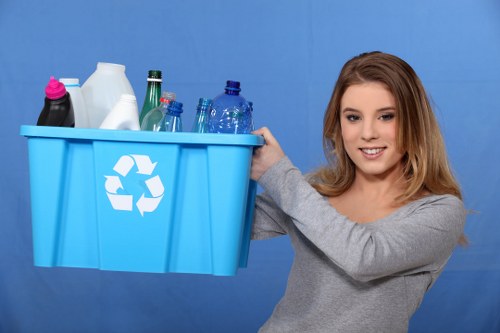 We maintain clear operational standards for a sustainable rubbish area: minimising contamination of recycling streams, segregating hazardous elements for specialist treatment and ensuring bulky wastes are processed at authorised facilities. Regular training ensures crews follow borough-specific separation rules and maintain chain-of-custody documentation so materials can be traced from collection to final processing. This transparency supports the borough recycling ethos and strengthens community confidence in our flat clearance activities.
 Accountability and continuous improvement are central to our approach. We publish an annual sustainability snapshot that highlights progress against the 65% recycling target, shows diversion-to-reuse statistics and summarises fleet decarbonisation milestones. Community engagement initiatives — such as local donation drives, collaboration with resident associations and participation in borough reuse fairs — help us align services with local needs while promoting the circular economy.
Flat Clearance Bounds Green balances practical clearance work with an ethical commitment to the environment. Our sustainable rubbish area model focuses on maximising reuse, achieving high recycling yields and reducing transport emissions through low-carbon vans and smart logistics. The service is designed to complement borough waste separation policies and to support transfer stations and processing partners in the wider North London network.
We measure success by material diverted from landfill, items given a second life through charity partnerships and steady reductions in our operational carbon footprint. Key actions that deliver these outcomes include:
- Proactive reuse partnerships with local charities and community centres
- Strict source separation aligned with borough recycling streams
- Use of electric and hybrid vehicles plus cargo bikes for last-mile collections
Flat clearance in Bounds Green is more than removal of items — it is an opportunity to create a genuinely sustainable rubbish area that supports the circular economy, strengthens local reuse capacity and helps the borough meet its recycling ambitions. By combining targets, partnerships, local transfer station use and low-emission logistics we deliver a pragmatic, environmentally responsible service that benefits the community and the planet.