Health and Safety Policy for Flat Clearance Bounds Green
 This Health and Safety policy sets out the standards, roles and procedures for safe, compliant flat clearance and rubbish removal across our service area. The policy applies to all operatives, contractors and on-site visitors involved in property clearance, house clearance or general flat clearance operations. The aim is to maintain a safe working environment that protects people, property and the environment while delivering efficient rubbish collection and waste disposal services. Safety and compliance are core commitments that guide every clearance.
All employees engaged in flat clearance and property clearance duties must be aware of their individual responsibilities. Management will ensure that appropriate resources are allocated to implement, monitor and review this policy. Supervisors will conduct daily briefings and maintain risk registers. Teams are required to follow documented working procedures, wear specified personal protective equipment and report any incidents promptly. Accountability is emphasised through clear assignment of duties and routine checks.
 Risk assessment is central to our approach. Before any domestic or commercial flat clear-out, a site-specific risk assessment must be completed to identify hazards such as manual handling risks, sharps, asbestos suspicion, hazardous liquids, and pest contamination. Control measures will include safe systems of work, segregation of waste streams, and use of mechanical aids. Hazardous materials are to be isolated and escalated according to statutory guidance and internal procedures.
Safe working procedures for rubbish removal and clearance operations include vehicle loading protocols, lifting techniques and traffic management when working near roads. Drivers and loaders must ensure that loads are secured and that vehicle capacity limits are not exceeded. Manual handling training is provided and refreshed to reduce musculoskeletal injuries. Employees should use trolleys, sack trucks or lifting equipment where practicable and follow a buddy-lift system for heavy items.
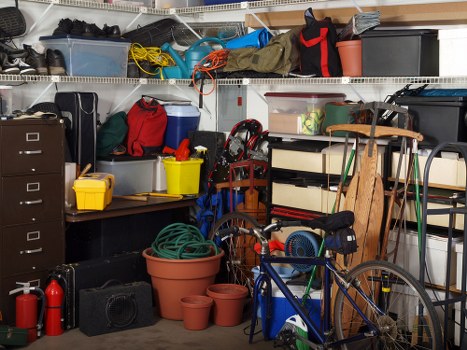 Personal protective equipment (PPE) is mandatory for clearance work and must be maintained in good condition. Typical PPE includes high-visibility clothing, gloves suitable for waste handling, eye protection, and sturdy footwear. Respiratory protection is required where dust or potential airborne contaminants are present. PPE is considered a last line of defence and must be used in conjunction with engineering and administrative controls.
Waste segregation and disposal procedures are integral to responsible rubbish removal services. Materials will be separated into general waste, recyclable items, bulky waste and potentially hazardous waste. Clear labelling and containment reduce cross-contamination risks. Chemical or unknown substances are treated with caution and managed through trained personnel and licensed waste carriers to prevent environmental contamination and ensure regulatory compliance.
Emergency procedures and first-aid arrangements are in place for all clearance activities. Employees must report incidents immediately and follow the site emergency plan. First aid kits and trained first-aiders are accessible, and there are clear provisions for contacting emergency services if needed. Regular drills and incident reviews support continuous improvement and help embed a culture of safety and preparedness.
 Vehicle and site traffic management reduce collision and pedestrian risks during pickups and drop-offs. Loading zones are established where possible, and banksmen or spotters are used when reversing or manoeuvring vehicles in confined spaces. Operators must conduct pre-shift vehicle checks and report any defects that could compromise safety. Safe vehicle operation extends to proper securing of loads, speed control and adherence to route risk assessments.
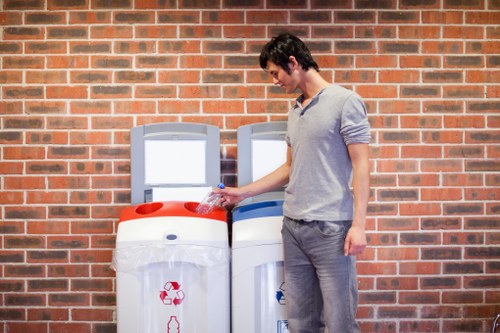 Monitoring, review and training form the backbone of an effective health and safety policy for flat clearance services. Regular audits, toolbox talks and refresher training sessions ensure staff remain competent and aware of evolving risks. The policy will be reviewed periodically to incorporate legislative changes and operational learning. Continuous improvement is achieved through incident analysis, near-miss reporting and employee engagement.
Roles, Responsibilities and Procedures
Key responsibilities include management commitment to provide resources, supervisors ensuring site compliance, and staff following established safety procedures. A simple checklist for each clearance job will include:
- pre-task risk assessment and permit where required;
- PPE and equipment check;
- waste segregation and identification of hazardous materials;
- vehicle safety and load containment verification;
- incident reporting and documentation.
Health Surveillance, Training and Records
Training programmes cover manual handling, hazardous materials awareness, safe use of tools and plant, and driving safety for crew members. Health surveillance is provided where there is potential exposure to harmful substances. Records of training, assessments and incident reports are maintained to demonstrate compliance and to inform future training needs. Documentation ensures transparent governance of safety efforts.
Conclusion: This Health and Safety policy for flat clearance services emphasises prevention, safe systems and continual monitoring to protect people and the environment while delivering efficient rubbish removal and flat clearance solutions. All staff are expected to familiarise themselves with this policy and contribute to a positive safety culture by following procedures, reporting hazards and participating in training activities. The commitment to safety is non-negotiable and is a key element of professional clearance operations across the service area.